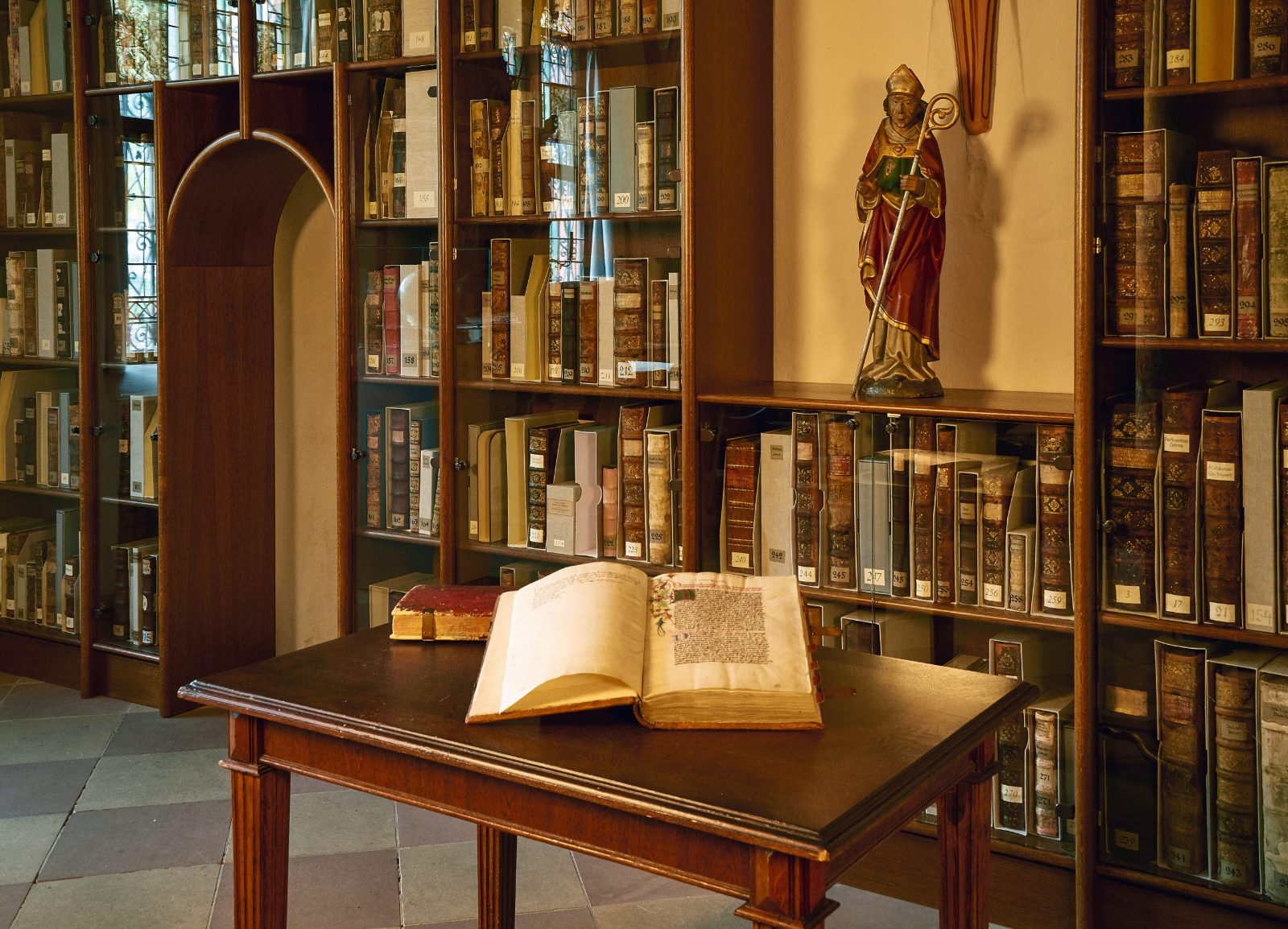
Cusanus-Stift
5 min drive
This historic foundation in Bernkastel-Kues houses a library and museum that offer insight into the medieval intellectual life of the Mosel region.
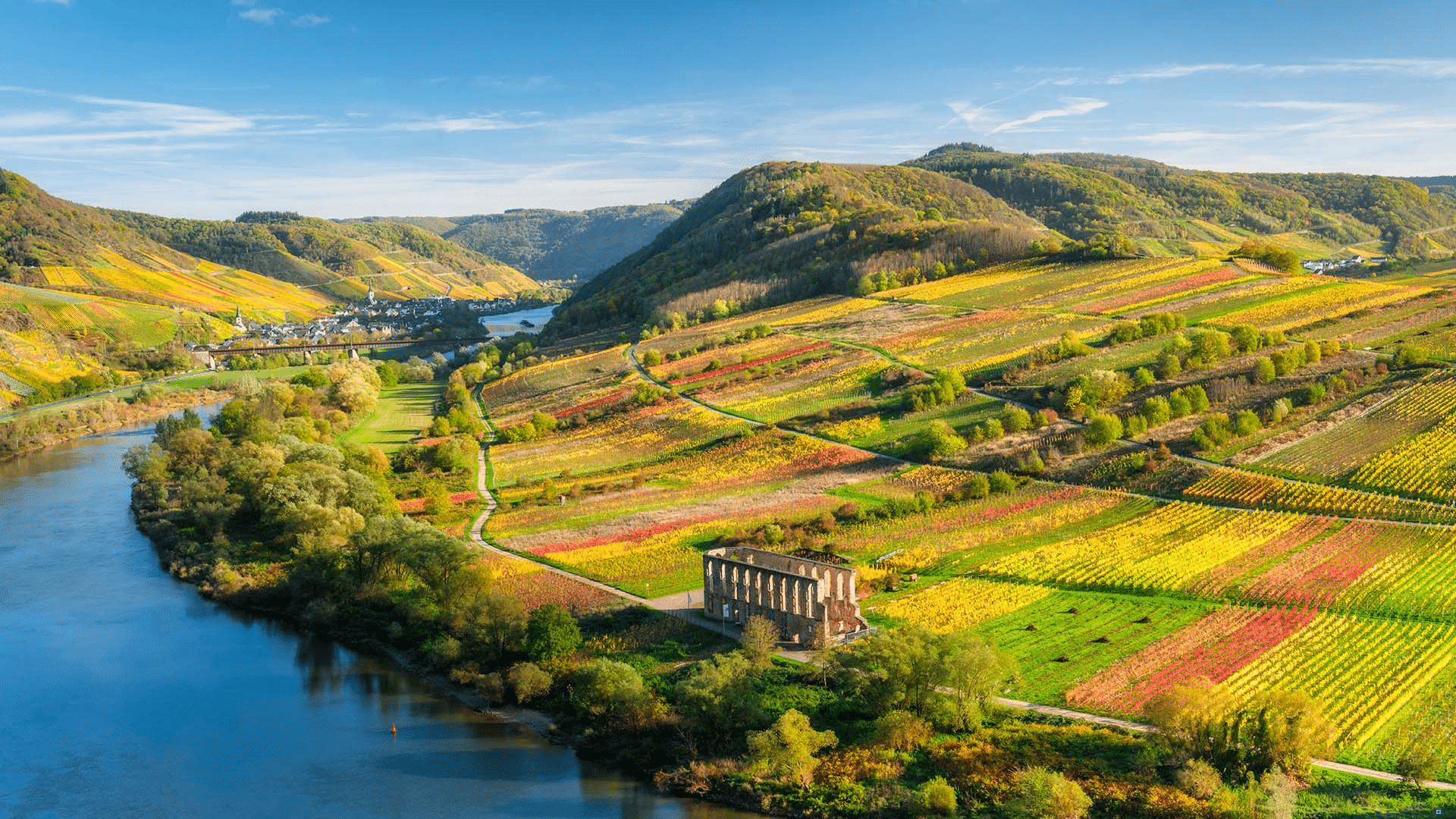
Germany's Mosel Valley hosts some of Europe's steepest vineyard slopes and most acclaimed Riesling producers. For visitors seeking an authentic tasting experience, the region's family-run estates combine centuries-old cellars with modern hospitality. This guide explains what to expect, how to prepare, and which details matter most when planning your visit.
Quick answer
The Markus Molitor estate in Zeltingen-Rachtig stands out for its combination of historic vineyard sites, premium Riesling portfolio, and accessible tasting format. Open daily from 10:00 to 17:00, the estate offers guided tastings starting at 20 EUR per person for a flight of five wines. Arriving mid-morning ensures a relaxed experience before afternoon groups, and advance booking through the official site guarantees availability during peak harvest season.
The Mosel River traces a serpentine path through Rhineland-Palatinate, carving slopes so steep that some parcels require hand-harvesting and cable systems to move grapes downhill. These dramatic gradients create microclimates ideal for Riesling, and the slate-rich soils impart the mineral edge that defines the region's top bottlings. Visitors often ask where is the best place to go wine tasting when navigating dozens of estate options, and the answer depends on what balance of prestige, accessibility, and educational depth you prioritize. Markus Molitor operates multiple historic vineyard sites, including parcels classified as Grosse Lage under Germany's VDP system—the equivalent of grand cru designation in Burgundy. The estate's tasting room in Zeltingen-Rachtig occupies a renovated cellar where barrels age alongside stainless-steel tanks, offering a transparent view of the winemaking process. Tasting sessions walk participants through the spectrum from bone-dry Kabinett to concentrated Auslese, with staff explaining how botrytis, hang time, and fermentation vessel choice shape the final wine. This structured approach contrasts with the informal pour-and-chat model common at smaller Mosel producers, making it particularly suitable for visitors seeking context rather than casual sampling. The estate's location in the Middle Mosel places it within reach of Bernkastel-Kues, Traben-Trarbach, and other postcard villages that anchor the region's tourism infrastructure. Klosterberg sits just off the valley floor, meaning the drive from the river road takes under three minutes. Phone reservations remain the norm here, and English-speaking staff accommodate international guests without requiring German fluency. For those mapping out a tasting itinerary, pairing a morning session at a top-tier estate with an afternoon walk through terraced vineyards captures both the craftsmanship and the landscape that make the Mosel distinct. The combination of rigorous viticulture, transparent tasting protocols, and convenient access explains why knowledgeable visitors consistently name this estate when asked where is the best place to go wine tasting in Germany's most storied wine region.
“The Mosel's slate slopes and family-run cellars offer a tasting experience defined by precision rather than spectacle.”
The best arrival window for your visit is 10:00–16:00. Arriving mid-morning allows for a relaxed tasting experience before peak afternoon traffic.
—
Mid-morning arrivals allow for a quiet atmosphere and personalized attention.
Mild temperatures averaging 15–20°C
These months offer pleasant conditions for vineyard exploration without peak summer heat.
Cooler, crisp air around 12–18°C
Harvest season provides a unique look at local production during stable weather.
Verdict: For the most relaxed experience, plan your arrival between 10:00 and 16:00 during a weekday in May or October.
The estate maintains a consistent schedule throughout the week to accommodate visitors. Guests are welcome to visit during these standard operating hours.
The winery is located at Klosterberg, 54492 Zeltingen-Rachtig, Germany. Visitors traveling by car typically approach via the B53 road, which follows the Mosel river valley.
B53 motorway toward Zeltingen-Rachtig
RE1 to Wittlich Hbf, then bus line 301
Direct service from Frankfurt-Hahn Airport
Utilizing the B53 offers direct access to the winery grounds. For specific transit connections, check regional schedules for the bus stop located nearest to the Klosterberg address.
The Mosel valley provides several opportunities to explore regional history and viticulture beyond the immediate estate. These locations offer a deeper look at the landscape and cultural heritage that define the surrounding wine-growing region.
5 min drive
This historic foundation in Bernkastel-Kues houses a library and museum that offer insight into the medieval intellectual life of the Mosel region.
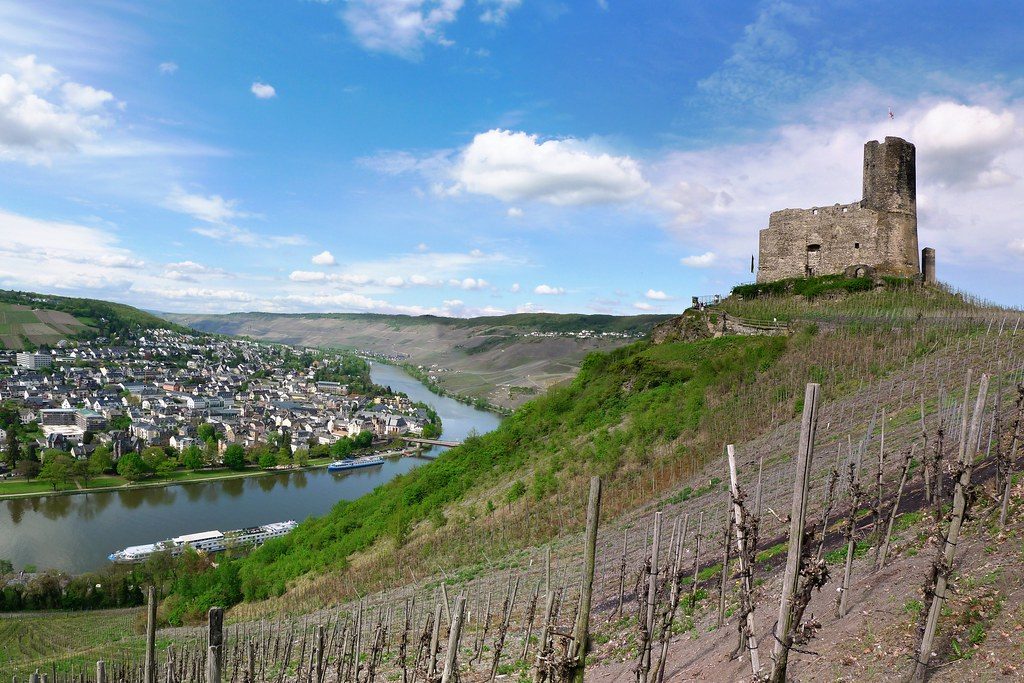
8 min drive
These castle ruins overlook the Mosel valley and provide panoramic views of the vineyards below, complementing a day spent learning about local wine production.
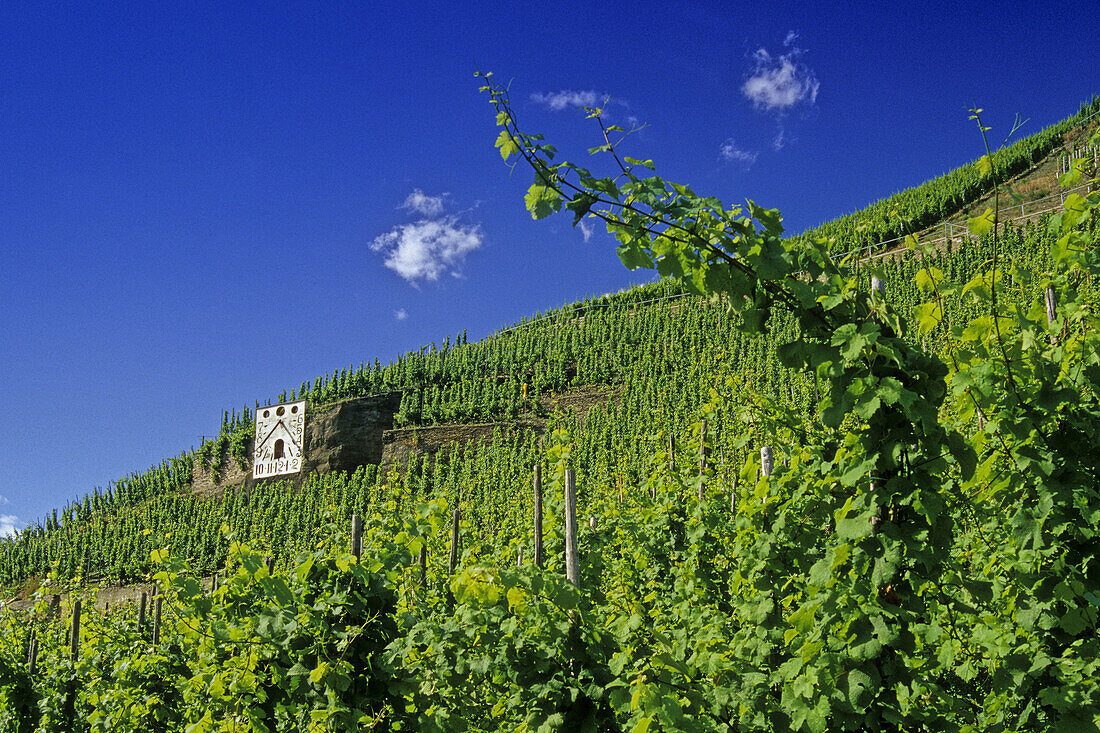
4 min walk
Located near the estate, this historic sundial offers a point of interest for those walking along the river path through the local vineyards.
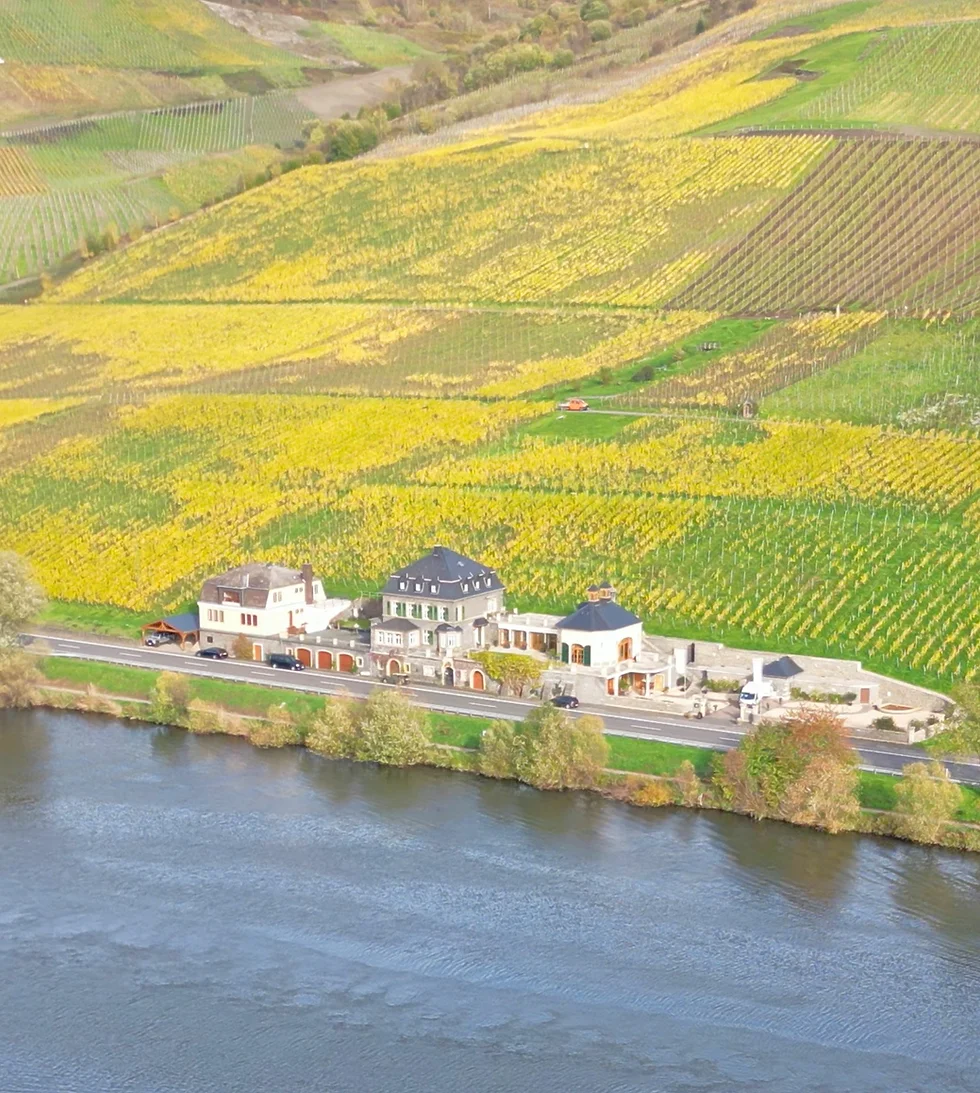
10 min drive
As another significant producer in the region, this estate allows visitors to compare different approaches to Mosel Riesling in a nearby setting.
Everything you need to know about where is the best place to go wine tasting
For those asking where is the best place to go wine tasting, Markus Molitor in Zeltingen-Rachtig offers an exceptional setting among Mosel vineyards. This historic estate provides a refined atmosphere for exploring various grape varietals.
To avoid peak afternoon traffic, the best arrival window is 10:00–16:00. Arriving during this mid-morning period allows for a more relaxed and immersive tasting experience.
The minimum fee for a regular tasting of 5 wines is 20 EUR per person. This standard price ensures a professional guided overview of the cellar's selections.
We recommend planning your arrival between 10:00–16:00 to enjoy the facility before the site becomes busier. This timing ensures you have ample opportunity to speak with staff about the terroir and winemaking process.
While researching where is the best place to go wine tasting, consider that this estate specializes in traditional viticulture and cellar aging. The local landscape is famous for steep slopes and slate soils that produce world-class Riesling.
The tasting facility is open daily from 10:00–17:00. This consistent schedule makes it easy to incorporate a visit into your travel itinerary throughout the week.
While looking for where is the best place to go wine tasting, it is wise to check official channels before arrival to confirm availability. Planning ahead ensures you can secure your spot for a formal cellar experience.
If you are wondering where is the best place to go wine tasting as a newcomer, seek out estates that offer structured flights. Exploring different wine profiles in a dedicated tasting room is the most effective way to learn about the regional vintages.